Introduction
Ever noticed your gym clothes or towels develop a sour smell even after washing? Clothes developing unpleasant odors is a common issue in daily life, especially after exercise or in humid environments. The smell is not caused by sweat itself but by the metabolic byproducts produced when microorganisms on the skin break down sweat and sebum. Key bacteria responsible for these odors include Moraxella osloensis, Corynebacterium, and Staphylococcus. This article analyzes the main causes of clothing odors, explores the mechanisms of these bacteria, and introduces an efficient solution—the ARGENTUMIX silver ion generator—to tackle the problem.
Main Causes of Clothing Odors
The core reason clothes develop odors is the breakdown of organic compounds in sweat and sebum by microorganisms (bacteria), producing volatile metabolic byproducts (e.g., sulfides, ammonia, short-chain fatty acids). This process is influenced by multiple factors and can be divided into three stages:
1. Pre-Washing Causes (During Wear and Contamination)
· Sweat Composition:
· Sweat is primarily water with small amounts of electrolytes (e.g., sodium, potassium) and is initially odorless. However, proteins, fatty acids, and amino acids in sweat serve as nutrients for bacteria.
· Sebum Secretion:
· Oils (e.g., triglycerides) secreted by sebaceous glands are broken down by bacteria, producing short-chain fatty acids that emit a rancid smell.
· Bacterial Metabolism:
· Bacteria on the skin decompose sweat and sebum, generating volatile organic compounds (VOCs) like sulfides, ammonia, and carboxylic acids, leading to odors.
· Humid Environments:
· Warm, moist microenvironments (e.g., underarms, feet) accelerate bacterial metabolism, speeding up odor formation.
· Research Support:
· Experiments show that bacterial counts on cotton T-shirts can increase 1000-fold within 24 hours after exercise (Applied Microbiology, 2020).
2. Causes During Washing
· Incomplete Cleaning:
· Residual sweat, sebum, and other secretions trapped in fabric fibers provide nutrients for bacteria, allowing them to thrive and produce odors.
· Dirty Washing Machines:
· Accumulated grime in washing machines, especially in hidden compartments, can ferment or mold, fostering bacterial growth and causing secondary contamination.
· Improper Detergent Use:
· Too little detergent fails to remove stains and sweat, while excess detergent may leave residues that react with airborne chemicals, creating unpleasant smells.
· Bacterial Growth and Byproducts:
· Phosphorus in detergents can promote bacterial survival. In damp conditions, bacteria multiply and produce metabolic byproducts, worsening odors, especially during humid seasons.
3. Post-Washing Causes (Drying and Storage)
· Poor Drying Conditions:
· Insufficient airflow or humid environments during drying can lead to mildew and sour smells. Clothes left damp for extended periods become breeding grounds for bacteria.
· Fabric Material:
· Natural fibers (e.g., cotton, linen, silk, wool) trap more dirt and moisture, making them prone to odors, while synthetic fibers, with smoother surfaces, retain fewer residues.
In summary, clothing odors stem from multiple factors, all ultimately linked to bacterial growth and metabolic activity.
Key Bacteria and Their Roles
1. Moraxella osloensis
A major contributor to odors, especially in sportswear and socks.
· Breaks down proteins and fatty acids in sweat, producing sulfides and carboxylic acids (e.g., “onion-like” smells).
· Survives regular washing and thrives in damp conditions.
· Highly associated with body odor, particularly in underarms and feet.
2. Corynebacterium
A resident skin bacterium, abundant in moist areas like underarms.
· Decomposes sebum triglycerides, generating short-chain fatty acids (e.g., isovaleric acid) with a “cheesy” or sour smell.
· Resists alkaline environments (e.g., soap), remaining active post-wash.
3. Staphylococcus
Common skin bacteria; some strains contribute to odors.
· Breaks down proteins, releasing ammonia and thiols (pungent smells).
· Collaborates with other bacteria on poorly washed clothes to intensify odors.
How to Reduce Bacterial Odors?
1. Thorough Cleaning: Use enzyme-based detergents (protease, lipase) to break down bacterial residues.
2. High-Theat Drying or Sunlight: Heat (>60°C) kills most bacteria; UV light also inhibits growth.
3. Antimicrobial Fabrics: Opt for silver-ion or copper-infused fabrics to limit bacterial attachment.
4. Dry Storage: Ensure clothes are completely dry before storing to prevent bacterial regrowth.
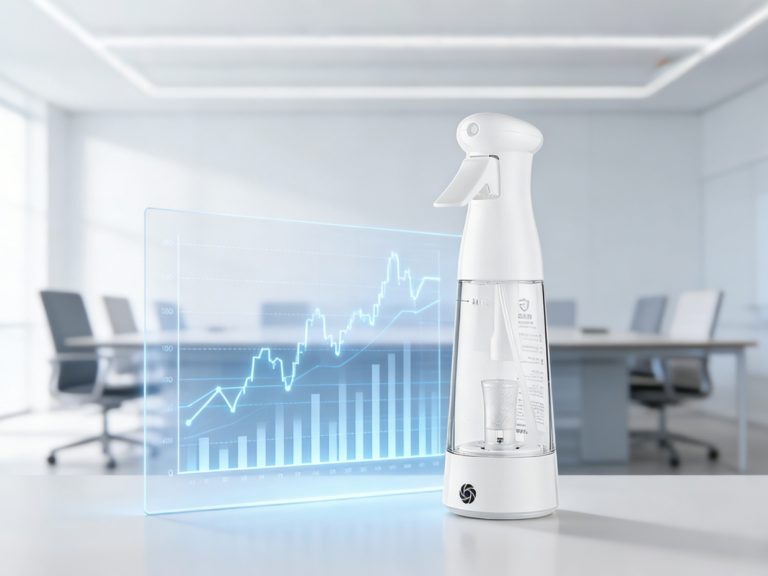
Why ARGENTUMIX Silver Ion Generator Can Help
Traditional cleaning methods may sometimes leave residues or not fully address microbial buildup. ARGENTUMIX offers a supplementary, eco-friendly approach to help maintain fabric freshness:
1. Supports Cleanliness:
The device electrolyzes tap water to produce a low-concentration silver-ion solution, which can be used to help reduce microbial presence on fabrics, targeting odor-causing bacteria such as Moraxella and Corynebacterium.
2. Helps Manage Odors:
By helping to control microbial regrowth, the use of silver-ion solution may assist in reducing the production of odor-causing compounds like sulfides and ammonia.
3. Gentle & Sustainable:
The solution is non-toxic and skin-friendly, making it suitable even for sensitive users. The device requires only tap water and minimal electricity, supporting eco-conscious cleaning by reducing reliance on single-use plastic products.
4. Flexible Application:
The silver-ion solution can be used in multiple ways to suit different needs:
· Spray & Air-Dry: Lightly spray onto surfaces like shoe interiors, gym bags, or fabric areas and allow to air dry for convenient, ongoing freshness maintenance.
· Soak for Deep Cleaning: For a more thorough clean, soak items like sportswear, socks, or towels in the solution for about 20 minutes after washing. This allows the solution to penetrate fabric fibers more deeply, helping to address residues that regular washing might miss.
User Experience
Marathoner Mr. Zhang:
“Even washing with lots of fragance, my workout clothes smelled as soon as I got sweaty. After adding a 20-minute soak with ARGENTUMIX solution post-wash into my routine, I noticed my clothes stayed fresher longer. It’s been a gentle addition to my laundry process.”
Conclusion
Clothing odors primarily arise from bacterial activity, and sometimes routine cleaning needs a boost. ARGENTUMIX provides a supplementary, gentle, and sustainable option to help manage microbial buildup and odors, contributing to longer-lasting fabric freshness while aligning with eco-friendly practices.
Tip: For best results, consider incorporating a silver-ion solution soak into your laundry routine periodically and always ensure proper washing and thorough drying.